
At Catalyxx, we believe the chemical industry must evolve beyond the technologies of the last century. For decades, heavy alcohols and their derivatives have been produced from petroleum using processes designed for a fossil-based economy. Today, the challenge is clear: we must develop Chemicals for the 21st Century — identical in performance and industrial compatibility, yet fundamentally better in sustainability, efficiency and carbon footprint.
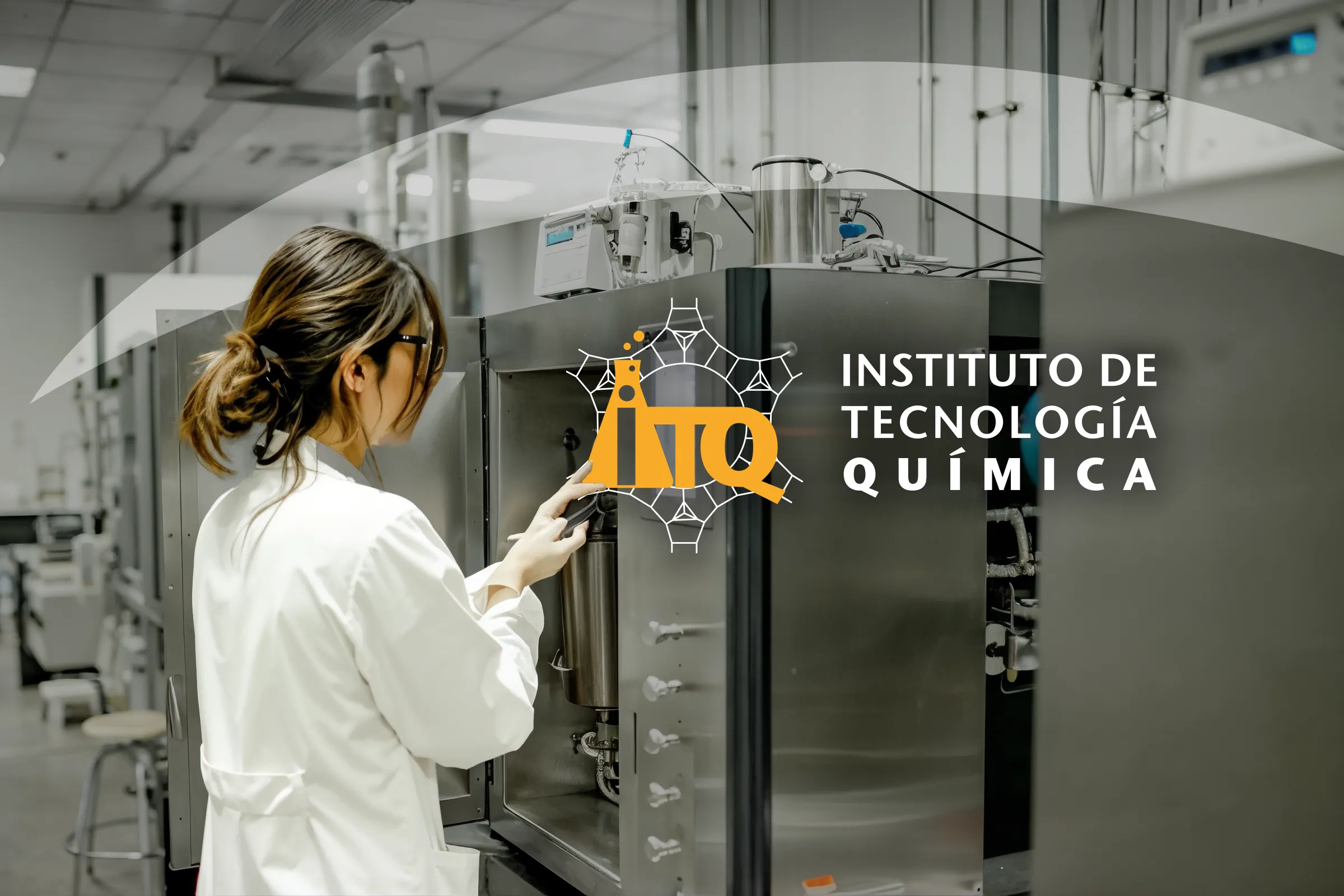
Our journey toward that goal began more than a decade ago, through a historic collaboration with the Instituto de Tecnología Química (ITQ).
The Origin of a Disruptive Technological Platform
Catalyxx has developed a disruptive technological platform for the decarbonization of the heavy alcohol market, applicable to the production of solvents, coatings, paints, cosmetics and a wide range of oxygenated derivatives.
The foundation of this platform is a highly selective catalyst invented in collaboration with ITQ. This catalytic system enables the transformation of bioethanol into higher alcohols with a negative carbon footprint profile and competitive yields compared to conventional petrochemical processes.
In a global market where demand for alcohol derivatives continues to grow — and where regulatory pressure to reduce emissions intensifies — Catalyxx offers an industrially scalable and energy-efficient pathway to accelerate the transition toward circular and sustainable chemical processes.
In short: Identical Chemicals… Only Better.
A Collaboration That Began in 2011
The development of this technology dates back to 2011, when the current Catalyxx leadership team was still part of Abengoa Bioenergy. At that time, research collaboration with ITQ — an internationally recognized center of excellence in heterogeneous catalysis and advanced materials — laid the foundations of what would later become the core technology of Catalyxx.
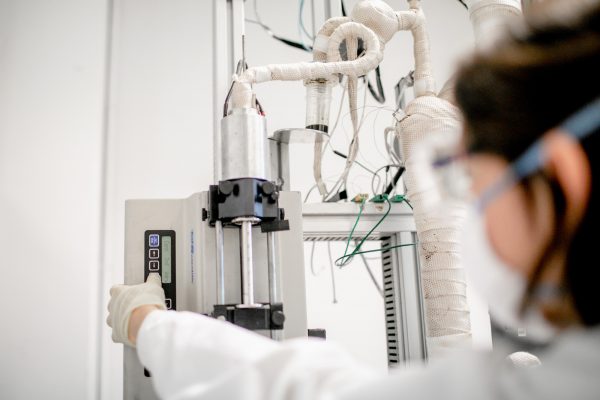
While the catalytic formulation was being developed in ITQ’s laboratories, the engineering and process development efforts were carried out in parallel at the Escuela Técnica Superior de Ingenieros in Seville. Both environments worked in close synergy to optimize the new catalytic system.
Thanks to the scientific leadership of Professor Dr. Avelino Corma and Dr. Marcelo Dómine, together with extensive experimental work, the early catalyst design enabled:
- More selective reaction pathways
- Operation at lower temperatures
- Improved structural stability
- Optimized carbon balances
These elements were essential for future scale-up and industrial validation.
A Model of Public-Private Technology Transfer
This long-standing collaboration represents a powerful example of technology transfer in Spain: a project born in academia that, through continuous scientific guidance and a coherent industrial strategy, has evolved into an industrial process ready for large-scale implementation.
Over more than a decade, the robustness of the technology has been strengthened through sustained joint work. ITQ’s advanced capabilities in catalyst design have been combined with Catalyxx’s expertise in:
- Process engineering
- Thermal integration
- Kinetics and thermodynamics validation
- Life Cycle Assessment (LCA)
Together, we have overcome critical technical challenges — from ensuring catalyst stability under industrial operating conditions to validating pilot-scale performance under realistic process parameters.
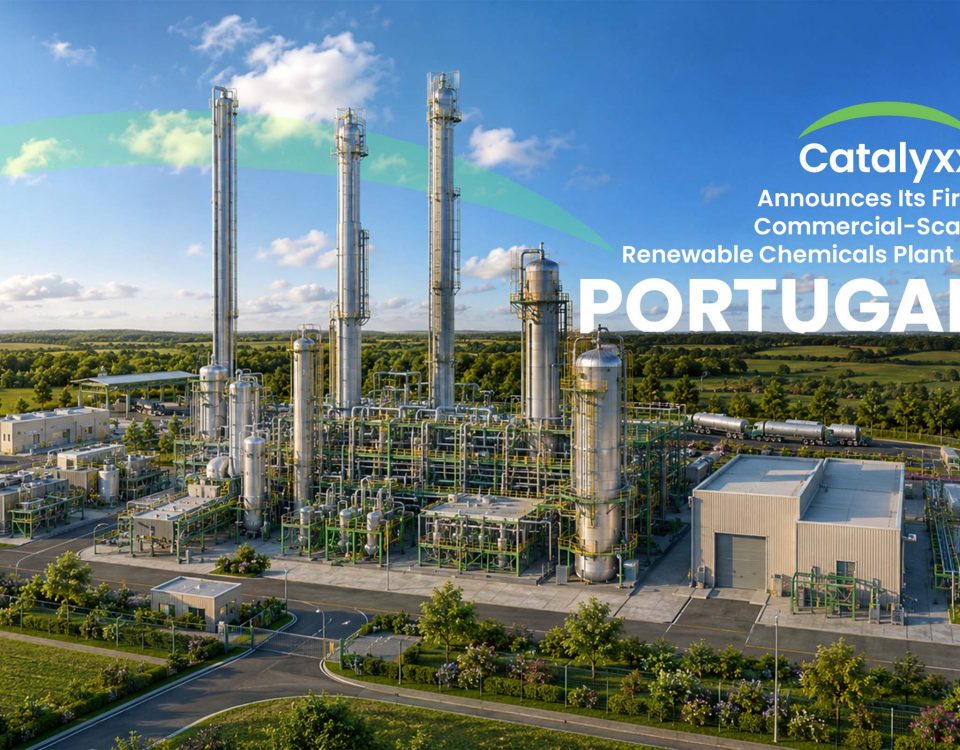
This systematic, data-driven approach and a shared conviction in the technology’s potential have allowed Catalyxx to move decisively toward the construction of its first industrial plant, which will serve as the platform for future global expansion.
Decarbonizing the Heavy Alcohol Value Chain
The potential impact of this innovation is substantial.
The adoption of Catalyxx technology will contribute to the decarbonization of millions of tons of greenhouse gas emissions over the coming decades, particularly in chemical value chains historically dependent on oil and natural gas.
Moreover, the modularity of our process and its compatibility with existing chemical infrastructure make it a highly competitive solution for modernizing mature industrial sectors without requiring radical downstream changes.
We are not asking the market to change chemistry.
We are changing how chemistry is produced.
That is the essence of our mission to deliver Chemicals for the 21st Century.
Looking Ahead: Strengthening the Innovation Ecosystem
Catalyxx encourages companies, industrial consortia and technology institutions to establish strategic partnerships with Spanish research centers such as ITQ and those integrated within CSIC.
Spain’s scientific ecosystem possesses exceptional capabilities in catalysis, advanced materials, chemical processes and energy transition technologies. Deep and sustained collaborations — like the one between Catalyxx and ITQ — demonstrate that the right combination of public research excellence and industrial ambition can generate technologies with global impact.
The transformation of the chemical industry will not be incremental. It requires rethinking the foundations of production systems that were designed for a fossil era.
At Catalyxx, we are proud that our technology — born from academic excellence and developed through industrial perseverance — is helping redefine how essential molecules are made.
Because the future of chemistry is not about replacing performance.
It is about improving how it is delivered.
Catalyxx — Chemicals for the 21st Century.